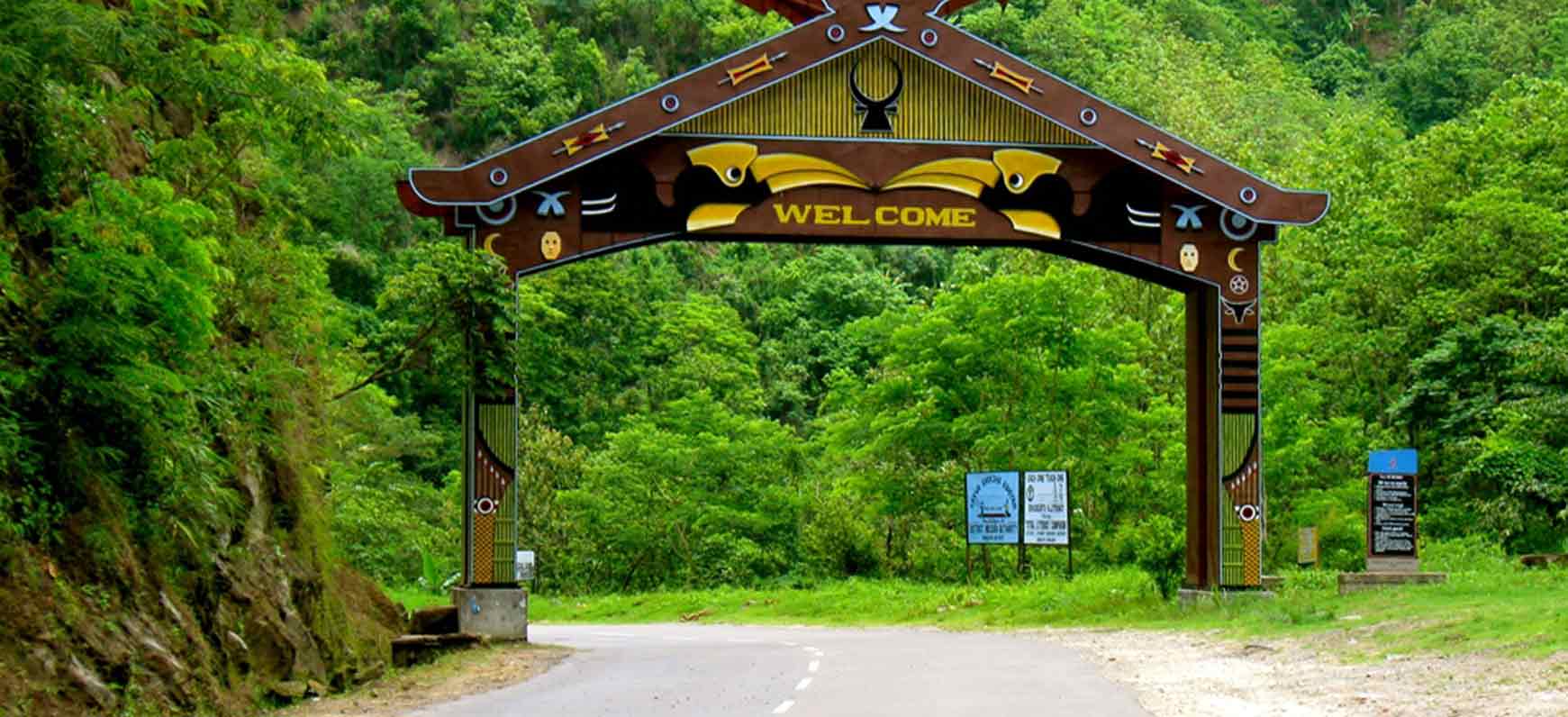
Nagaland
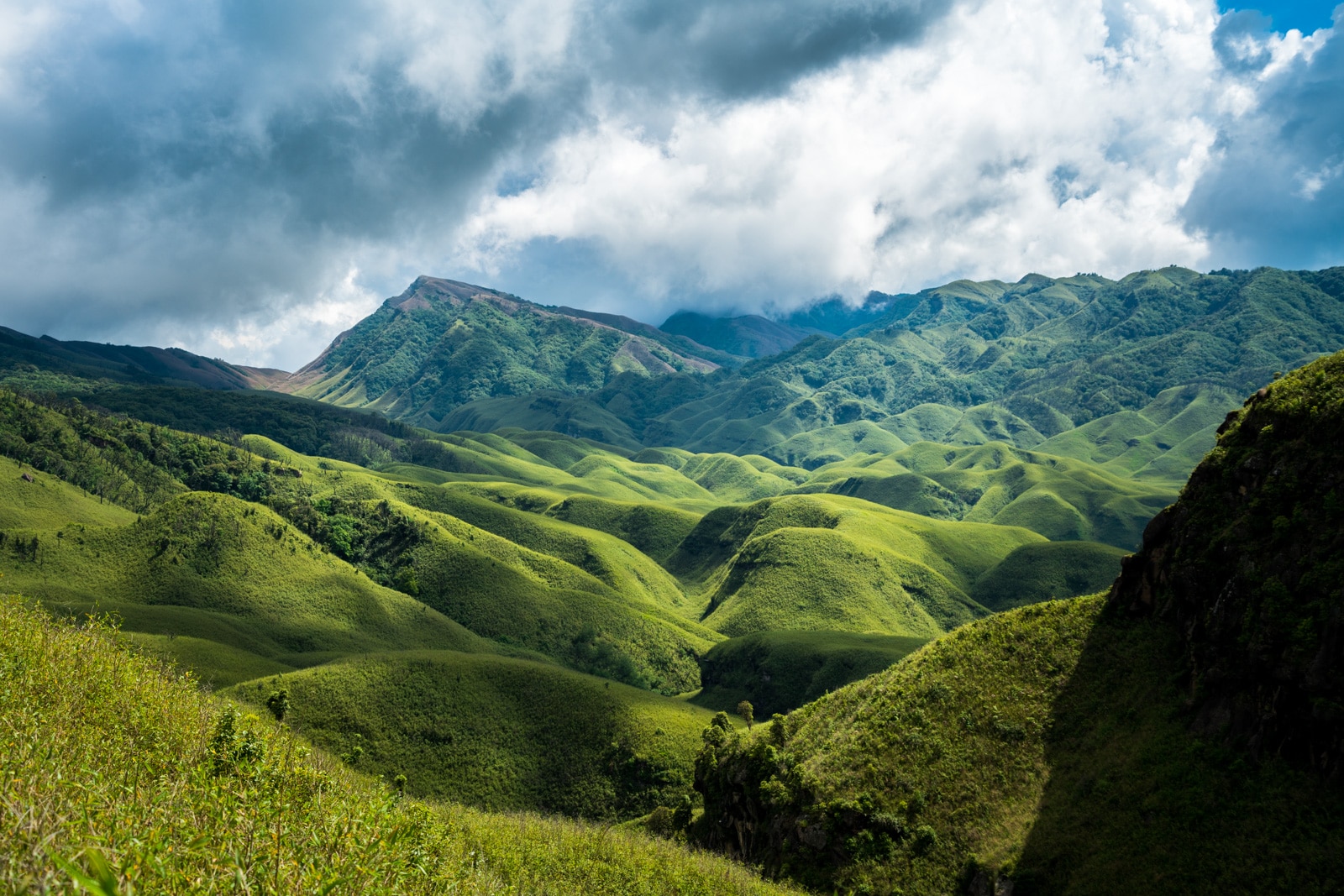
Dzukou Valley – Nagaland
Dzukou Valley, nestled between Nagaland and Manipur, is a breathtaking destination known for its lush greenery, seasonal flowers, and serene trekking trails. It sits at an altitude of 2,438 meters and is often referred to as the “Valley of Flowers of the Northeast” due to its vibrant flora.
Best Time to Visit
- Summer (March to June) – Ideal for trekking and sightseeing with clear skies and pleasant weather.
- Monsoon (July to September) – The valley is lush, but trails can be slippery due to heavy rainfall.
- Winter (October to February) – Offers misty mornings and a peaceful atmosphere, though temperatures can be quite chilly.
How to Reach
- The valley is 30 km from Kohima, Nagaland’s capital.
- The nearest airport and railway station are in Dimapur, about 74 km away.
- Trekkers usually start from Viswema or Zakhama villages, with Viswema being the more popular route.
Entry & Trekking Details
- There is an entry fee for visitors.
- Trekkers can stay in rest houses or bring their tents.
- The trek takes 4-6 hours, depending on the route and pace.
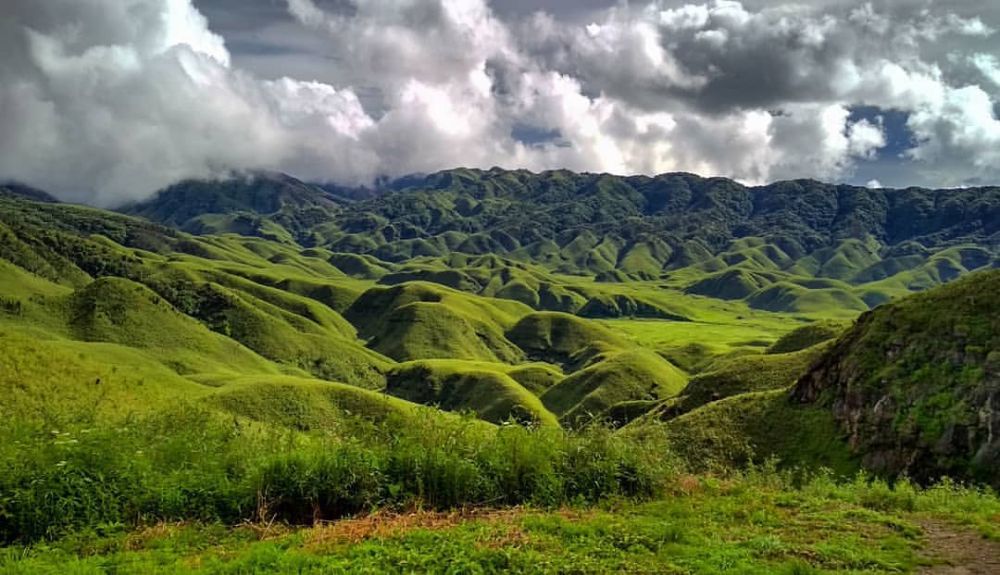
Japfu Peak – Nagaland
Japfu Peak, the second-highest peak in Nagaland, is a paradise for trekkers and nature lovers. Located 15 km south of Kohima, it stands at an elevation of 3,048 meters and offers breathtaking views of the surrounding landscapes, including the lush Dzukou Valley.
Best Time to Visit
- September to April – Ideal for trekking with clear skies and pleasant weather.
- December to February – Best for experiencing snowfall.
- March to April – Perfect for witnessing the vibrant rhododendron blooms.
Trekking Details
- The trek usually starts from Kigwema village, about 16 km from Kohima.
- The trail is moderate to challenging, with steep stretches.
- Trekkers are rewarded with panoramic sunrise views and diverse flora.
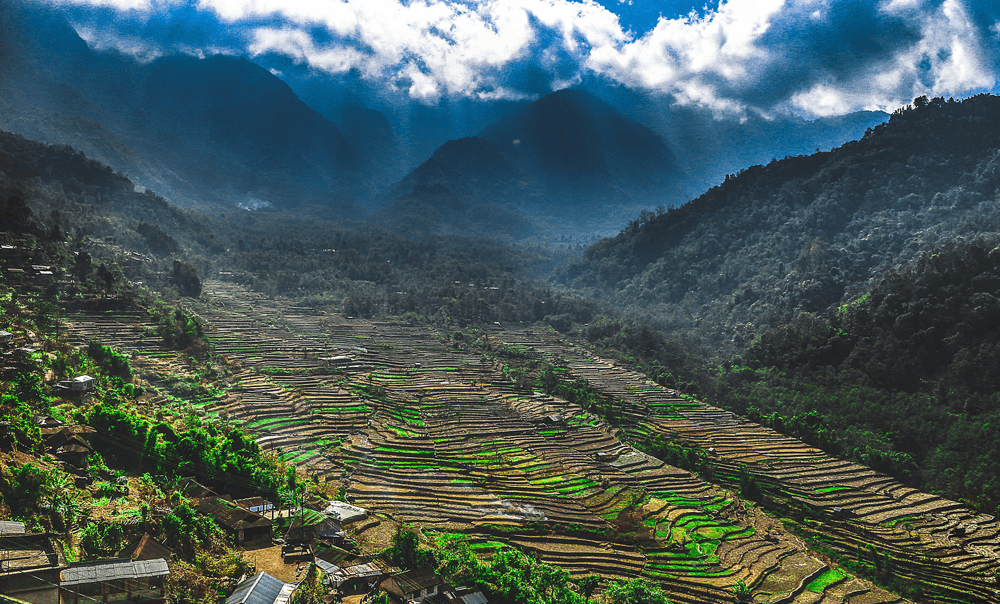
Khonoma Green Village – Nagaland
Khonoma Green Village, located 20 km from Kohima, is India’s first green village, known for its eco-tourism, sustainable practices, and rich Angami tribal heritage. The village has completely banned hunting and logging, making it a conservation success story.
Best Time to Visit
- October to May – Ideal for exploring the village and enjoying its lush greenery.
- June to September – Monsoon season, when paths can be slippery.
- December to February – Cooler months, perfect for experiencing the serene atmosphere.
Entry & Timings
- Entry Fee – ₹50 per person.
- Open Hours – Open all day.
- Homestays – Available from ₹1,500 per night, including meals.
Things to Do
- Visit the Khonoma Nature Conservation and Tragopan Sanctuary.
- Explore traditional Angami homes and terraced rice fields.
- Enjoy bird-watching, spotting rare species like Blyth’s Tragopan.
- Trek to Dzükou Valley and Japfu Peak for breathtaking views.
Kisama Heritage Village – Nagaland
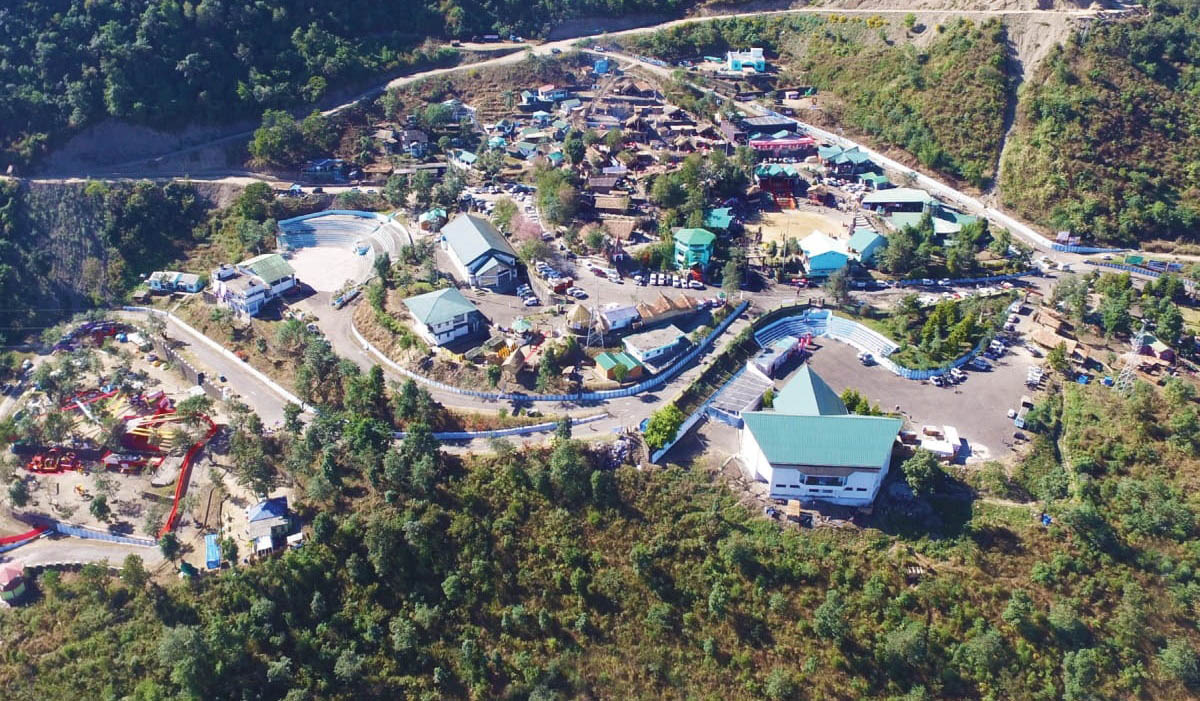
Kisama Heritage Village, also known as Naga Heritage Village, is a cultural site located 12 km south of Kohima, Nagaland. It serves as the venue for the annual Hornbill Festival, which showcases the traditions of Nagaland’s diverse tribes.
Best Time to Visit
- December 1-7 – The Hornbill Festival takes place during this time, offering vibrant cultural performances.
- October to April – Ideal for exploring the heritage village in pleasant weather.
Entry & Timings
- Open Hours – 8:00 AM to 6:00 PM.
- Entry Fee – ₹20 per person.
- Photography – ₹30 for a still camera, ₹50 for video recording.
Things to Do
- Explore traditional tribal huts representing Nagaland’s 17 ethnic groups.
- Witness folk dances, music, and craft exhibitions during the Hornbill Festival.
- Visit the World War II Museum and the horticulture exhibits nearby.
Nagaland State Museum – Nagaland
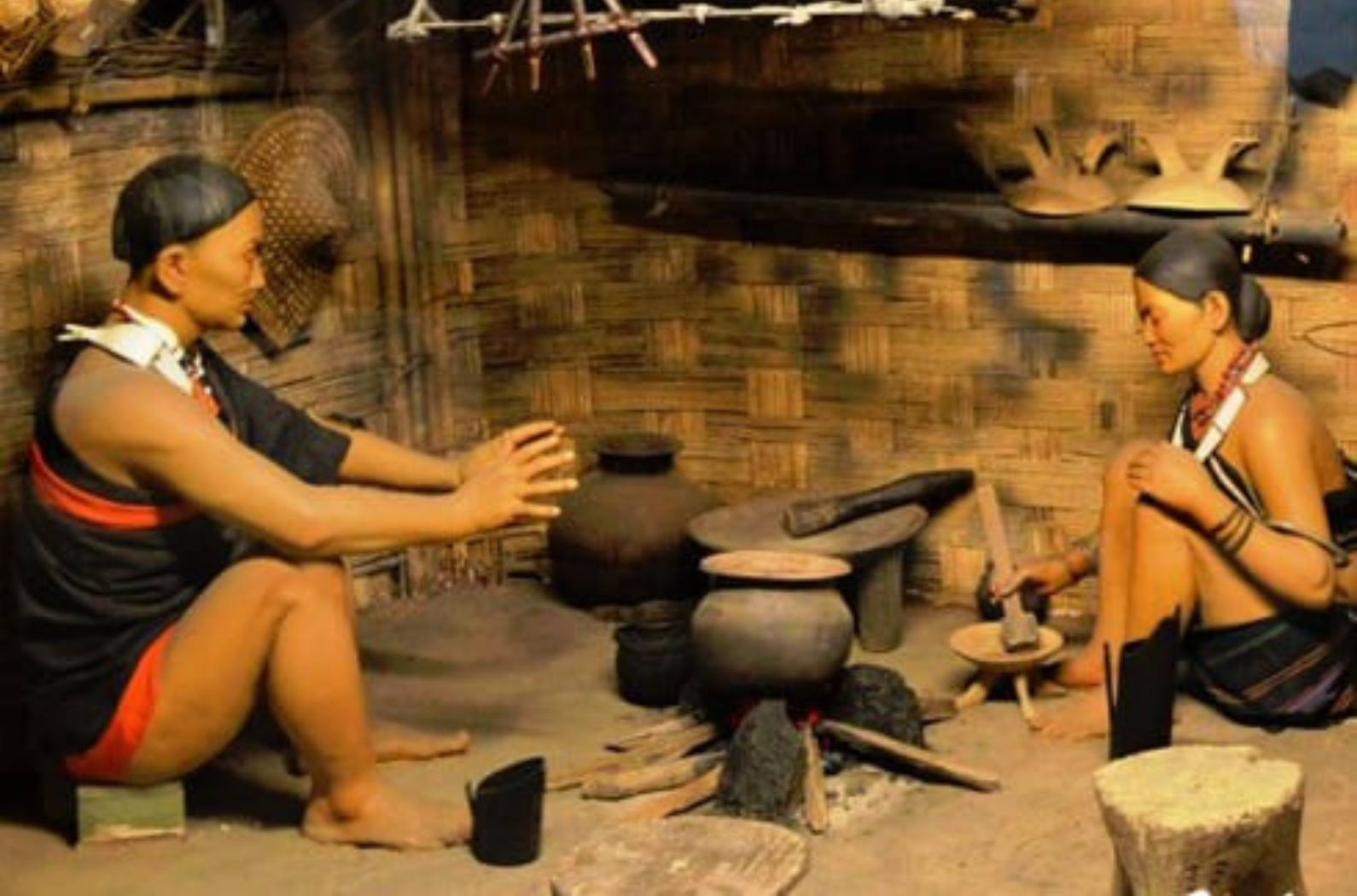
The Nagaland State Museum, located in Upper Bayavü Hill, Kohima, is a fascinating place to explore the rich cultural heritage of Nagaland. It showcases artifacts from over 16 Naga tribes, including traditional attire, jewelry, musical instruments, and ancient weaponry.
Timings & Entry
- Open: Tuesday to Sunday, 10:00 AM – 4:00 PM.
- Closed: Mondays and public holidays.
- Entry Fee: ₹20 for adults, ₹10 for children.
Highlights
- Tribal Artifacts: Displays of traditional Naga costumes, jewelry, and tools.
- Naga Morung Models: Replicas of traditional tribal huts.
- Musical Instruments: Unique instruments like the Tati (single-stringed instrument) and log drums.
- Historical Exhibits: Ancient sculptures, inscriptions, and weaponry.
How to Reach
- Nearest Airport: Dimapur Airport (66 km away).
- Nearest Railway Station: Dimapur Railway Station (71 km away).
- By Road: Easily accessible from Kohima town.
Kachari Rajbari Ruins – Nagaland
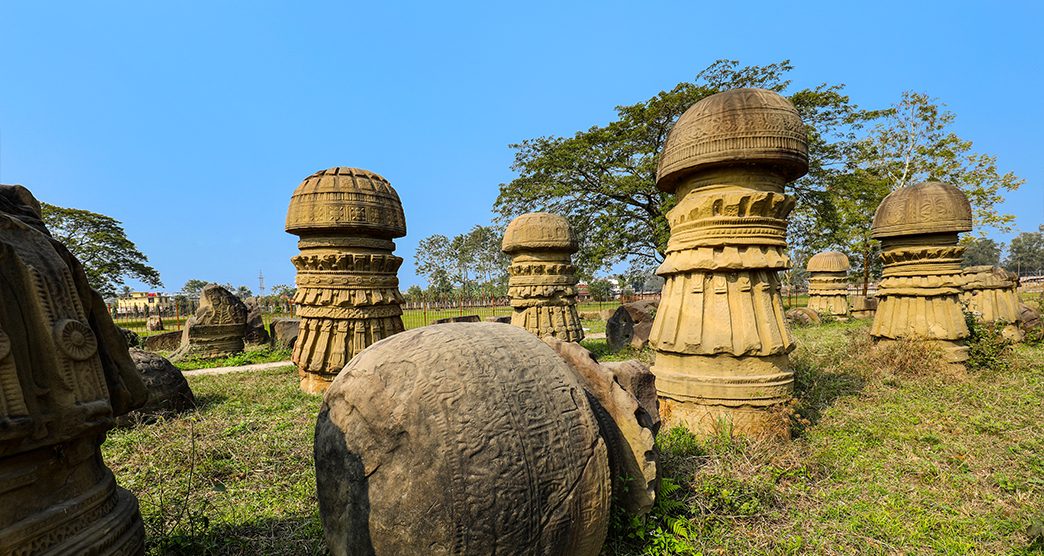
The Kachari Rajbari Ruins, located in Dimapur, Nagaland, are remnants of the Dimasa Kachari Kingdom, dating back to the 10th century. These ruins feature mushroom-shaped pillars, believed to be part of an ancient chess-like game or ritual structures.
Timings & Entry
- Open: 9:00 AM – 4:00 PM, all days.
- Entry Fee: Free.
- Duration: 1-2 hours to explore the site.
Highlights
- Historical Significance: Built by the Dimasa Kachari rulers before the Ahom invasion in the 13th century.
- Architectural Features: Unique mushroom-domed pillars, some standing tall while others have crumbled over time.
- Mystery & Legends: Some believe the ruins were used for a chess-like game, while others see them as Aryan civilization symbols.
How to Reach
- By Air: Dimapur Airport is 6.4 km away.
- By Train: Dimapur Railway Station is 3 km away.
- By Road: Easily accessible via taxis and private vehicles.
Tuophema Village – Nagaland
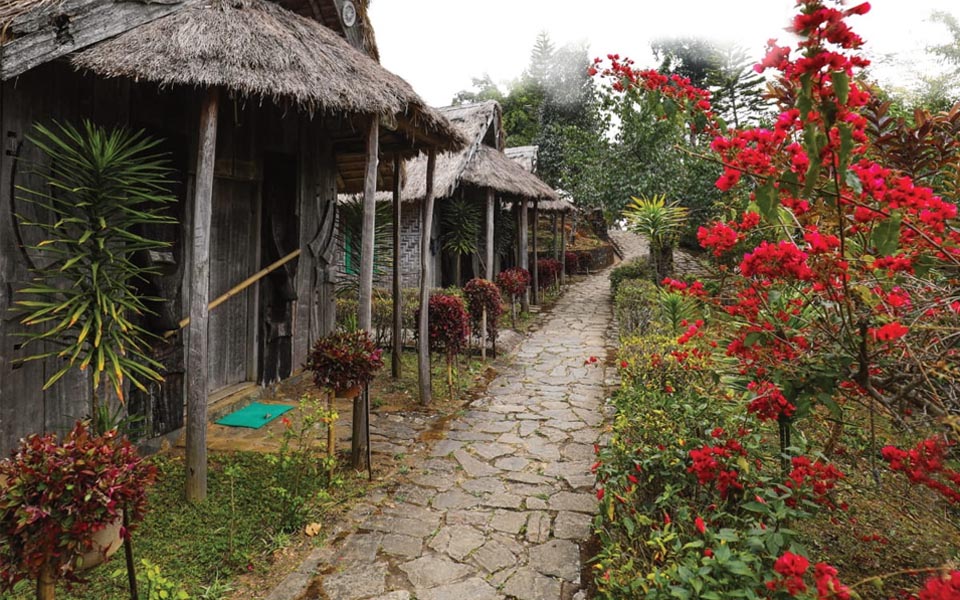
Tuophema Village, located 42 km from Kohima, is a heritage village that offers visitors a chance to experience traditional Angami Naga culture. It is known for its cabin-style huts, built to resemble traditional Naga homes, and its ethnographic museum showcasing tribal artifacts.
Best Time to Visit
- February – The village hosts the Angami Sekrenyi Festival, a vibrant cultural celebration.
- October to April – Ideal for exploring the village and enjoying its scenic beauty.
Entry & Timings
- Open Hours: All day.
- Suggested Duration: 1 day.
- Accommodation: Traditional huts are available for overnight stays.
Things to Do
- Stay in traditional Naga huts and experience local hospitality.
- Visit the ethnographic museum featuring wood carvings, musical instruments, and textiles.
- Enjoy Naga delicacies like Ghalo and Bamboo Baked Fish.
- Participate in cultural dances and bonfire evenings.